Living in the home
A Home for Everyday Life
Begin with the daily exchanges between people and rooms. They reveal needs that a photograph of a finished home cannot describe.
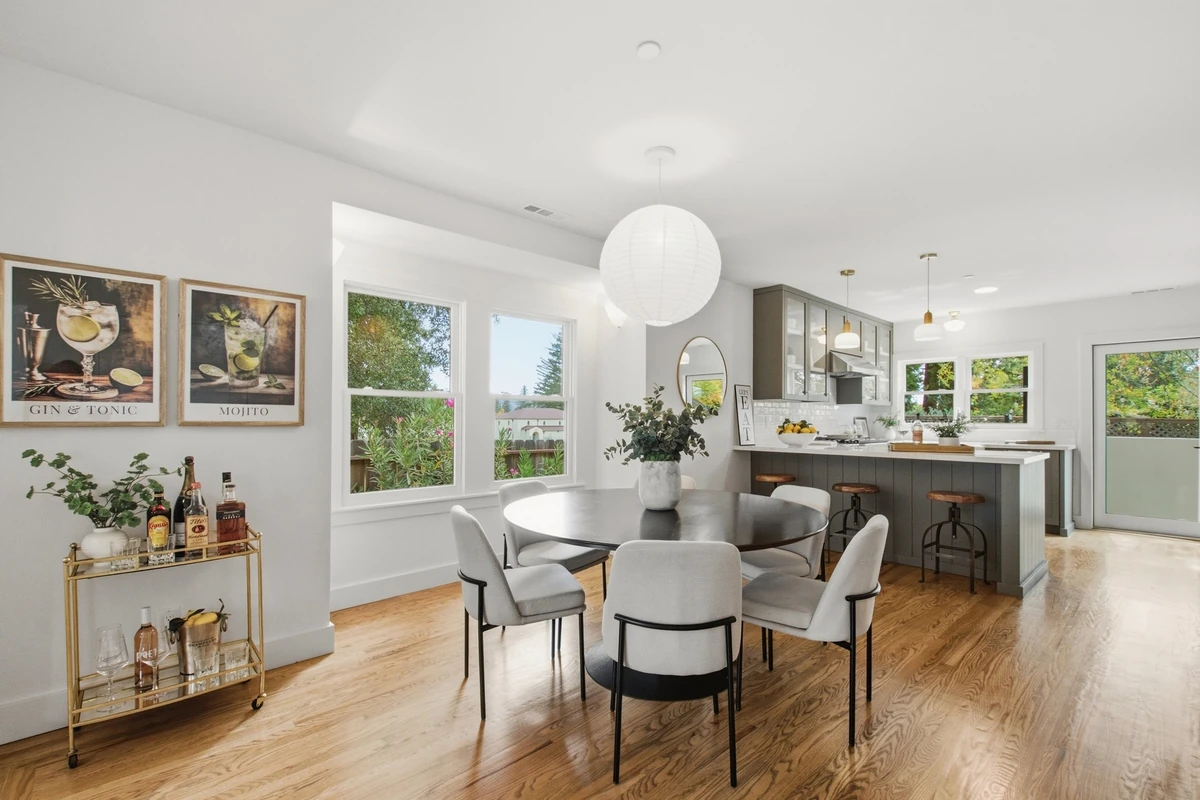
Map a busy hour
Choose a time when the home has several jobs at once: breakfast, an evening meal or a weekend arrival. Follow the routes between rooms and note where people cross, wait or put things down. Include bags, shoes, sports equipment and the ordinary objects that rarely appear in design references.
Write down who needs what during that hour. One person may want conversation while another needs a quiet call. A room count does not capture that conflict. Describe it without deciding the solution yet, so the team can explore different ways to organize the space.
Give shared and quiet activities a place
An open room is not the only way to bring people together, and a separate room is not useful simply because it has a door. Consider where activities benefit from connection and where they need separation. Explain which relationships are important to the household, including the ability to move between them.
Try the proposed arrangement against a real scenario. Where does a guest sleep while someone starts an early workday? Where can a child spread out a project without blocking a meal? These questions make a plan discussion concrete without imposing a single idea of how every family should live.
Make storage part of the room brief
Inventory what needs to be stored where it is used. A cupboard near an entrance has a different job from one in a kitchen or bedroom. Note the items, how frequently they are used and who needs access to them. Separate everyday storage from occasional belongings.
Bring that list into the layout discussion before treating cabinetry as a finish selection. Ask how storage, doors, furniture and circulation work together in the proposed room. A larger storage area in the wrong place may leave the original daily problem unresolved.
Allow for change without inventing a future
List likely changes you want the plan to accommodate: a different work pattern, visiting family or a room taking on a second use. Distinguish a known need from an idea you may never pursue. Discuss which choices should be resolved now and which can remain flexible.
The purpose is not to add every conceivable feature. It is to explain how the household wants to live and where the proposed space needs options. Compare the plan with the routines you recorded at the start, then revise the brief where an assumption about family life does not match your own.