Home care and repair planning
Keeping a Useful Record of Your Home
A record of what has changed, what has been repaired and what is still unexplained can make a renovation discussion more specific.
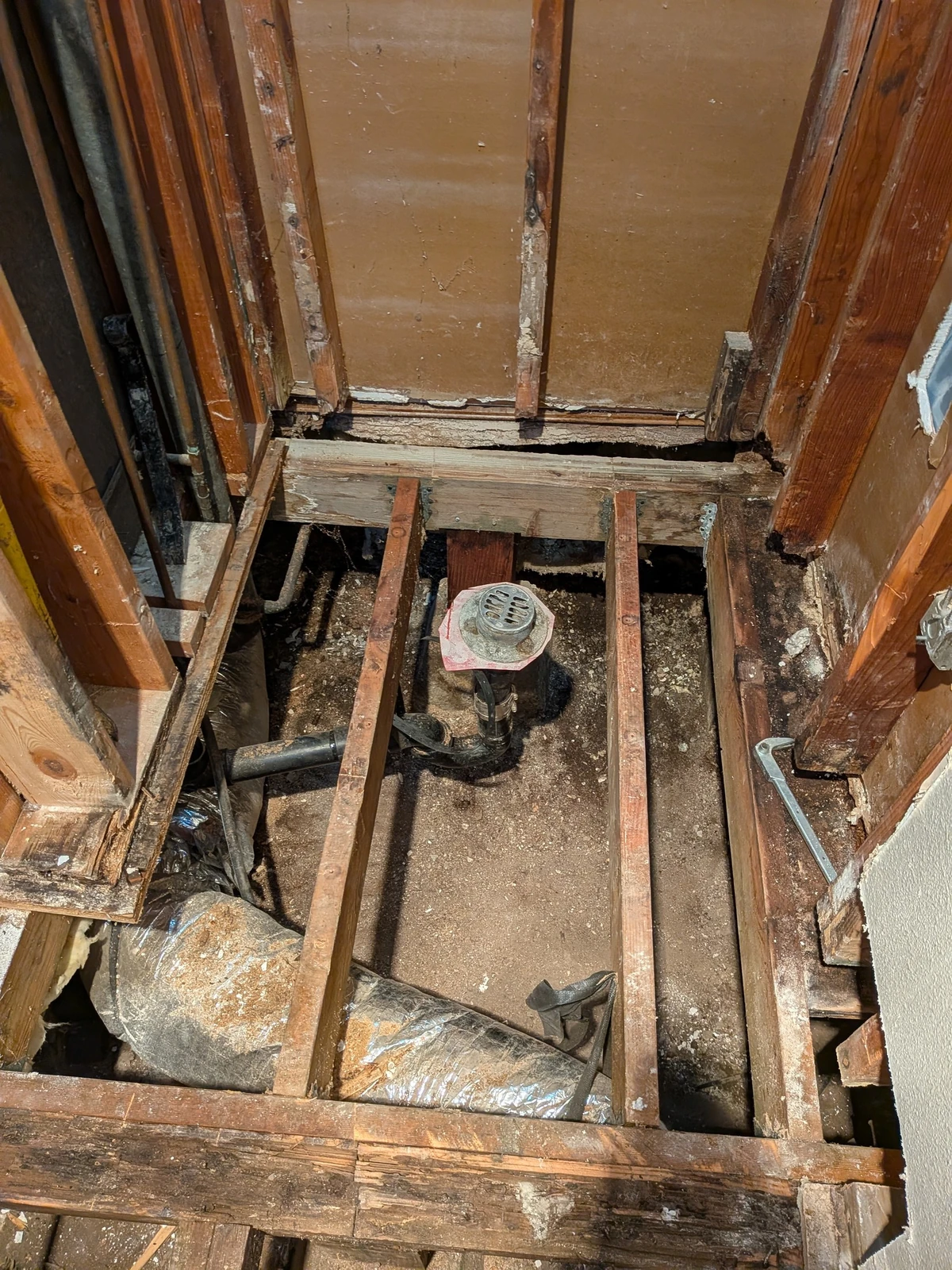
Record the observation, not a diagnosis
A stain, a sticking door or a worn finish is useful information, but it is not a complete explanation. Note where you noticed it, when you first saw it and whether it has changed. Take a photograph from the same position on subsequent occasions so the record is easier to compare.
Keep descriptions plain. “Mark below the upstairs window after rain” gives a reviewer something to investigate; naming an unseen cause can send the conversation in the wrong direction. Do not open assemblies or attempt unfamiliar repairs just to improve the record. Assessment and access should be planned with the appropriate professional.
Gather the history that belongs to the house
Bring together available drawings, product information, warranties, service reports and repair invoices. If a previous repair addressed the same location, keep the photographs and description with it. Record what was done and by whom rather than relying on a remembered explanation.
A simple room or location index is more useful than a folder of unnamed files. Identify the kitchen window, rear door or bathroom concerned, and distinguish work that was completed from work that was only proposed. Missing records can remain marked as unknown; there is no benefit in filling the gaps with guesses.
Separate immediate assessment from future improvements
A renovation wish list can mix an unexplained condition, worn finishes and a desire for more space. Put them in separate groups. Ask the project team which observations need assessment before design decisions can be made and which belong in the later selection discussion.
This is particularly useful when work will involve an existing exterior or interior assembly. A new finish and the condition behind it are different subjects. Ask what can be established before the scope is agreed, what access may be needed and how any remaining uncertainty will be documented.
Make the handoff usable
After work, keep a concise record of the agreed scope, materials, care information and completed outstanding items. Store product names and finish references where you can find them without searching through months of correspondence. Note any instructions supplied by the relevant manufacturer or specialist.
Use the same record for later observations. It gives the next person a clearer account of what has changed and what has already been addressed. A clear file gives future conversations a useful starting point and lets each assessment build on what is already known about the home.